
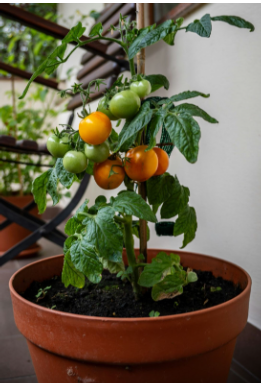
Starting a small garden doesn’t require a yard or much space —you just need: healthy soil, seeds or seedlings, water, and sunlight. You can start with a few pots, planters, or repurposed containers on a balcony or patio. With more space, raised beds (boxes or troughs) made with wood or composite frames about 10–12 inches deep set directly on the ground become an option. Whatever option works best for you, the key is filling containers or beds with a balanced mix of compost, topsoil, and organic matter—which creates the living foundation that helps plants flourish.
If you’re gardening on a patio or balcony, fabric grow bags or containers are a low-cost and space-saving way to begin. A 5-gallon grow bag, bucket or pot can support tomatoes, peppers, or eggplant; smaller planters are perfect for leafy greens and herbs. Larger containers (10–20 gallons) give you room for potatoes, bush beans, or even dwarf fruit trees.
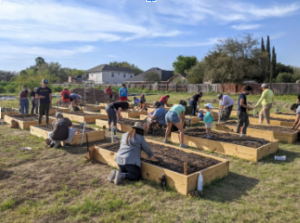
For those with more space, an 8×4-foot garden bed, or plot, is a natural next step. This size is manageable for beginners yet generous enough to grow various vegetables and herbs. At 8 feet long and 4 feet wide, it fits in a backyard, community lot, or schoolyard. It’s wide enough for multiple rows of crops but narrow enough to enable you to reach the center without stepping on your plants or compacting the soil.

It won’t cost a lot to get started as you likely already have many of the tools and supplies you’ll need. Tools you’ll want to have include a hand trowel, gloves, and a watering can or hose along with a container, pot or an inexpensive grow bag. Mulch such as straw or shredded leaves helps keep the soil moist and minimizes weeds. Adding a low-cost and easy-to-assemble trellis or cage for climbing crops like tomatoes, beans, or cucumbers helps you benefit from vertical plant growth which enables you to grow healthy plants in a small space. If you avoid using poisonous pesticides, you’ll enjoy fruits and vegetables that are healthier and often taste better. Natural alternatives such as neem oil can keep pests away safely.
A key consideration is where you live and how temperatures in your location change throughout the year. The USDA provides a “Plant Hardiness Zone Map” which will help you select the seeds that are best suited for the climate in your area. For example, in September, gardeners in the Mid-Atlantic region often shift from summer harvests to cool-weather crops that are suitable for growing in zones 6 or 7. Lettuce, spinach, kale, radishes, and carrots all thrive in fall/winter gardens, and herbs like cilantro and parsley flourish in cooler weather. By staggering plantings every couple of weeks, you can enjoy fresh harvests well into the first frosts.
Let’s dispel the myth that gardening is only a summer activity! Many crops will thrive in the fall and even into the winter, especially when you choose hardy or heirloom seed varieties suited to cooler weather. In colder regions when temperatures drop we recommend quick, simple season-extension techniques, such as using row covers, cold frames, or even a small hoop house, to keep greens and root crops growing weeks longer. It’s also a good time to enrich your soil with compost or plant a cover crop. Cover crops such as clover, rye, or vetch aren’t grown for harvest but to protect and improve the soil during periods when you aren’t growing any edible plants. They add nutrients, reduce erosion, and prepare the ground for next season’s crops. In warmer climates such as Florida or California, the growing season can continue all year long, offering opportunities to plant greens, root crops, and even some warm-season vegetables during the winter.
Starting a small garden not only yields fresh and nutritious produce, it also builds personal resilience, self-determination and increases financial well-being. Each seed planted is a reminder that we can nurture life outside of industrial food systems that prioritize profit over nourishment. Gardens connect us to the rhythms of the earth, to the pollinators who make food production possible, and to traditions of saving seeds and sharing knowledge that stretch back generations. By including flowers alongside vegetables, we create spaces that sustain bees, butterflies, and other essential pollinators. Flowers not only add beauty and diversity but also ensure healthy harvests, reminding us that abundance comes from interdependence.
Balcony/patio gardens, household plots and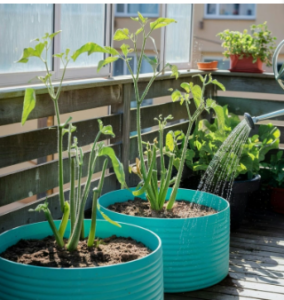 community gardens alike are places where young people learn responsibility, elders share wisdom, and neighbors connect across cultures and languages. They are spaces of hope where food sovereignty takes root in daily life.
When households and communities reclaim the practice of growing food, even in small ways, we create alternatives to hunger and dependence. Growing your own vegetables may not replace a trip to the grocery store, but it is likely to save money. Having a garden also offers a taste of freedom, a reminder of abundance, and a way to reconnect with each other. Grown without poisonous pesticides, your harvests will be healthier, richer in flavor, and grounded in care for the earth. And you may find that the entire family starts to enjoy eating vegetables because of the satisfaction of eating food from your garden that tastes great because it is so fresh and organically grown, meaning pesticide free. So get started on your journey to gardening for better health and wealth!